Rock Outdoor Speakers: The Complete Buying Guide
If you’ve been searching for a way to add music to your backyard without cluttering your landscaping with visible equipment, a rock outdoor speaker is likely the answer you’ve already stumbled across. These disguised, weatherproof speakers are one of the most popular outdoor audio solutions for homeowners who want great sound without sacrificing garden aesthetics.
In this guide, we’ll break down exactly what a rock outdoor speaker is, how it compares to other outdoor speaker types, where it performs best, and what to check before you buy one.
What Is a Rock Outdoor Speaker?
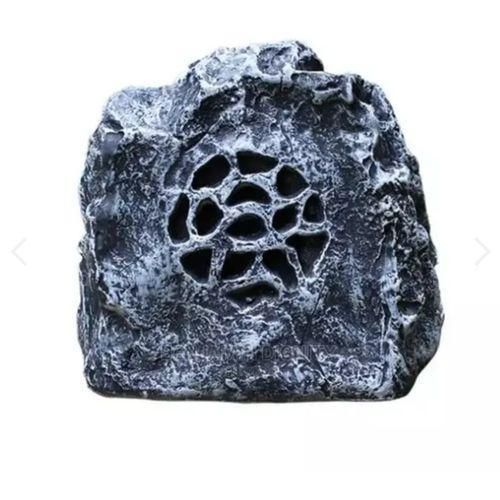
A rock outdoor speaker is a fully functional speaker built inside a weather-resistant enclosure shaped and textured to look like a natural stone. Underneath the disguise, it uses the same core components as any speaker drivers, cones, and magnets but the casing is specifically engineered to withstand outdoor conditions while blending into garden beds, pathways, and landscaping.
This combination of real audio performance and near-invisible design is what makes rock outdoor speakers a go-to choice for gardens, patios, and pool areas where visible speaker cabinets would clash with the surroundings.

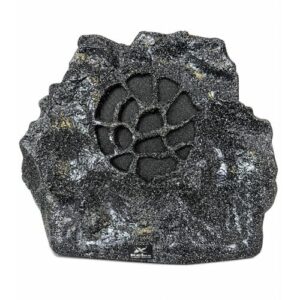

Why Rock Outdoor Speakers Are So Popular
Disguised, natural design. Because rock outdoor speakers are molded to mimic real stone in shape, texture, and color they sit naturally among plants, borders, and rock gardens without drawing attention.
Weatherproof construction. Outdoor conditions are demanding, and rock outdoor speakers are typically built with durable, weather-resistant materials designed to handle sun exposure, rain, and temperature changes over years of outdoor use.
Flexible, wire-free placement. Unlike wall-mounted patio speakers, rock outdoor speakers aren’t tied to a fixed structure. Many modern models also offer wireless Bluetooth or true wireless stereo (TWS) pairing, meaning no cables running across the lawn.
Ideal for ambient, all-day listening. Rock outdoor speakers are especially well-suited to background music the kind of low-key soundtrack that fits a barbecue, poolside afternoon, or quiet evening outside — rather than high-volume party setups.
Rock Outdoor Speakers vs. Other Outdoor Speaker Types
| Speaker Type | Best For | Trade-off |
|---|---|---|
| Rock outdoor speaker | Discreet placement in gardens and landscaping | Slightly less bass/volume than dedicated patio speakers |
| Landscape speaker | Larger gardens needing broader coverage | More visible, functional design over disguise |
| Patio speaker | Loud, high-fidelity sound near seating areas | Less flexible placement, more visible hardware |
If your top priority is sound quality above all else, a landscape or patio speaker may edge out a rock speaker. But if blending into your outdoor space matters as much as the audio itself, rock outdoor speakers are hard to beat.
Best Places to Install a Rock Outdoor Speaker
- Around pools and water features — a discreet speaker won’t compete visually with the water
- Large or irregular gardens — multiple rock speakers spread through the space provide even coverage
- BBQ areas and fire pits — ideal for ambient background music during outdoor entertaining
- Anywhere landscaping design is a priority — sound without visual clutter
What to Check Before Buying
Weatherproof rating. Look for an IPX rating suited to your climate. Most rock outdoor speakers are water-resistant (handling rain and splashes) rather than fully waterproof, so avoid areas where standing water could collect.
Connectivity. Wired options are still available, but Bluetooth and TWS pairing are increasingly standard, letting you skip running cables through the yard entirely.
Power handling and wattage. Higher wattage generally means better coverage for larger gardens check this if you’re aiming to fill more than a small patio area.
Size and realism. Larger rock speakers blend better into landscaping with real boulders, while smaller units may suit tighter flower beds — check dimensions against your planned placement.
Placement Tips for a Natural Look
To keep the disguise convincing, place rock outdoor speakers the way a real stone would sit partially nestled into a border, angled among low plants, or grouped loosely rather than lined up symmetrically. For stereo sound, spacing two speakers 10–15 feet apart and angling them toward your main seating area is generally enough to create a balanced listening experience.
Frequently Asked Questions
Are rock outdoor speakers loud enough for parties? They’re better suited to ambient, background level listening. For larger gatherings needing higher volume and deeper bass, a dedicated patio or landscape speaker system may perform better.
Can rock outdoor speakers be left outside year-round? Most are designed for year-round outdoor use and built to withstand sun, rain, and temperature changes, though extreme conditions (heavy snow, flooding) can vary by model always check the manufacturer’s weatherproof rating.
Do rock outdoor speakers need Wi-Fi or a hub? Not necessarily. Many models connect directly via Bluetooth to a phone or audio source, without requiring a smart home hub.
Final Thoughts
A rock outdoor speaker offers a rare combination in outdoor audio: real, functional sound paired with a design built to disappear. For homeowners who want music in the garden without visible equipment breaking up the landscaping, it remains one of the most effective and popular outdoor speaker solutions available today.